
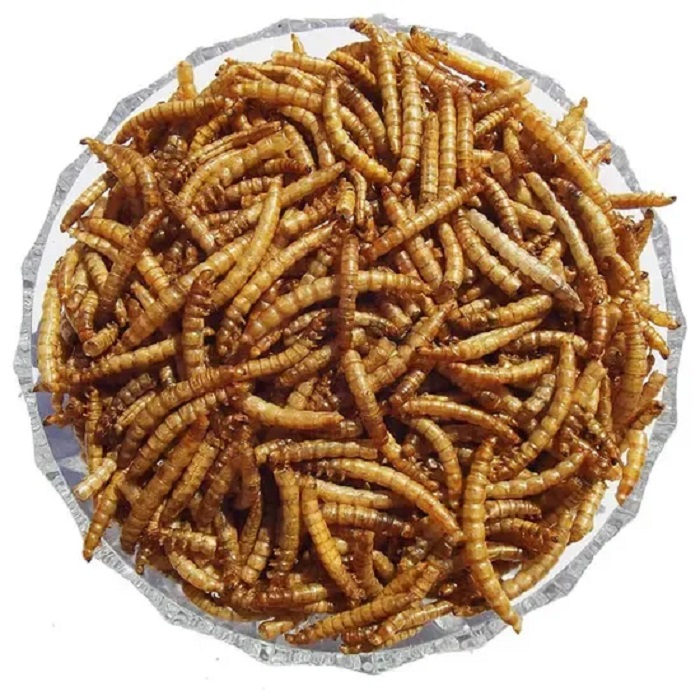
Protein percentage is easy to compare and easy to overvalue. Two dried-mealworm lots can report similar protein while differing in moisture, broken material, colour, odour, microbial condition, packaging and stability after opening. For bird-feed brands, those differences affect customer acceptance and shelf life as much as the headline nutrition figure.
A dried mealworms wholesale supplier for bird feed should therefore be qualified as a process and batch-control partner. The buyer needs evidence that breeding, harvest, drying, testing and packing produce a repeatable ingredient, not just one visually appealing sample.
Start with a written product definition
Specify the insect species, whole or broken form, intended feed use, protein and moisture basis, particle limits, foreign material, colour and odour. If the retail product promises whole larvae, define the acceptable percentage of breakage and fines at receiving, because transport can change the appearance after packing.
Greenfut states that its dried mealworms contain 50-54% protein and no more than 6% moisture, with no additives, preservatives or GMO ingredients. Those published values are a starting point. A contract should identify the test method, sampling plan, acceptable range and documents supplied for each lot.
Moisture control protects more than shelf life
Drying reduces water available for microbial growth and slows deterioration, but an average moisture result can hide uneven drying. A lot that contains pockets of higher moisture may develop odour, mould or texture changes during storage.
Ask where samples are taken, how the lot is mixed and how moisture is verified before packing. Packaging must then prevent reabsorption during humid transport and warehousing. The buyer should test condition at arrival and after a realistic period in the intended retail or bulk pack.
Greenfut describes a low-temperature drying process intended to preserve nutrients while removing moisture. Buyers should review the actual validated process and finished-product results rather than assuming that “low temperature” alone guarantees stability.
Whole-product appearance is a commercial specification
Bird owners can see dried mealworms directly, so colour, shape, cleanliness and odour influence trust. Excessive darkening may indicate processing or storage differences; powder and fragments at the bottom of a bag can look like poor handling even if the nutrient analysis is acceptable.
Agree a reference sample under controlled lighting and a measurable broken-particle limit. Use photographs only as support, because camera exposure can hide colour variation. Sensory checks should be performed by trained staff with clear rejection rules, not improvised tasting.
Safety testing must match the destination and use
Feed ingredients can carry microbiological, chemical and physical hazards. The required panel depends on destination-country regulation, species and product claims. Buyers should develop it with qualified feed and regulatory professionals.
Supplier certification can indicate that a management system exists, but it does not replace batch evidence. Greenfut states that its facility has FDA, HACCP and ISO 22000-related certification. Importers should verify current certificates, scope, legal relevance and whether the shipped product and facility are covered.
Certificates of analysis should identify the lot and methods. Where risk requires, buyers may use an independent laboratory for confirmation. Testing frequency can be adjusted from supplier history, but new suppliers and changed processes deserve closer checks.
Bird-feed use still requires formulation judgement
Dried mealworms are nutrient-dense and can be used in products for wild birds, poultry and aviary species, but inclusion level and feeding directions should be developed for the target species and life stage. Protein alone does not make an ingredient a complete diet. Fat, fibre, minerals and the rest of the formula matter.
Buyers can review Greenfut mealworm production and its dried mealworm feed products before requesting samples and lot documents.