
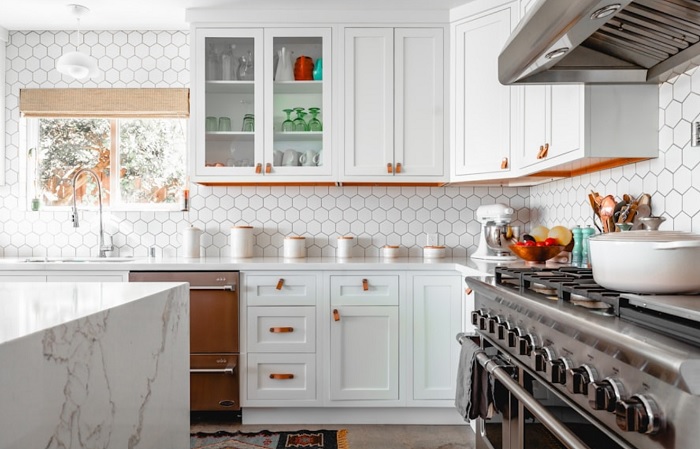
A Canadian kitchen renovation often buys a range hood, cooktop, oven and dishwasher as separate products, then discovers that the difficult issues sit between them. The hood is too narrow for the cooking surface, the duct route limits airflow, the electrical panel needs an upgrade, or cabinet dimensions do not leave the required clearances. Comparing appliances as one cooking system prevents those conflicts before cabinets and stone are installed.
Robam Canada currently lists range hoods, cooktops, steam ovens, built-in ovens, ranges and dishwashers. Its 88H3S 36-inch range hood, for example, is specified at up to 1500 CFM unrestricted airflow and 1000 Pa maximum static pressure. Those are substantial headline figures, but a buyer evaluating Robam Canada range hoods must still ask what airflow the installed duct and home can support.
Begin with the cooking load and room, not a matching finish
List how the household actually cooks. Frequent high-heat wok cooking, searing and deep-frying create a different plume from simmering and light baking. Note burner power, pan diameter, cooking frequency and whether several burners operate together. Then record ceiling height, kitchen volume, hood mounting height, window and door locations and whether the kitchen is open to living space.
Stainless steel and black glass may coordinate visually, but capture performance depends on width, hood shape, depth and position above the cooking surface. A decorative hood that is too shallow can let smoke roll past its front edge even when the motor is powerful.

The 36-inch 88H3S uses dual air inlets; its installed result still depends on mounting and duct design.
Range hood width should follow the cooktop
The hood should cover the active cooking area and capture the rising plume before room air carries it away. A 36-inch hood can be a logical partner above many 30- or 36-inch cooking surfaces, subject to the manufacturer’s installation instructions. Island cooking is more demanding because cross-drafts can approach from every side, often requiring a larger capture area than a wall installation.
Confirm the exact hood and cooktop cut sheets before ordering cabinetry. Mark centreline, appliance width, mounting height, cabinet depth and nearby tall panels. If the hood is installed higher than the tested range, capture can decline even when noise seems lower.
Unrestricted CFM is not the airflow at the pan
The 88H3S page labels 1500 CFM as “unrestricted airflow.” In a real home, air passes through filters, transitions, duct, elbows, a wall or roof cap and backdraft damper. Each resistance moves the fan’s operating point. A long duct with several tight elbows can reduce delivered flow and increase noise.
That is why static-pressure capability matters beside free-air CFM. The 88H3S lists a maximum static pressure of 1000 Pa and describes smart speed adjustment for changing duct conditions. Buyers should still obtain a fan curve or manufacturer guidance and have the installer calculate the proposed duct route. Maximum pressure and maximum airflow usually occur at different points, so they should not be combined as if both are delivered simultaneously.
Use the largest practical smooth duct route
Follow the hood manual for duct diameter or rectangular area. Keep the run short and direct, use gradual transitions, minimise elbows and seal joints. Avoid flexible corrugated duct unless explicitly permitted; its resistance and grease retention can be much higher than smooth metal duct.
Plan the exterior termination before cabinet installation. A cap placed near an operable window, air intake or property restriction may create odour or code problems. In cold Canadian climates, insulate duct where required to reduce condensation and use a suitable backdraft damper.
High airflow can require makeup air
Exhausting air from a tight home creates negative pressure unless replacement air enters. A high-capacity hood can interfere with fireplaces, fuel-burning appliances and other exhaust systems. It may also make doors difficult to open or reduce hood performance as the house depressurises.
Canadian building requirements vary by province, municipality and house configuration. An HVAC professional should determine whether dedicated makeup air, interlocks or combustion-safety measures are required. Do not assume that a large number on the hood is automatically usable at full speed in every home.
Makeup air should enter without creating a cold draft across the cooking plume. Its heating, filtration and control can be part of the renovation budget. This is a system cost, not an accessory to discover after inspection.
Capture design can matter more than motor size
Robam describes the 88H3S as a dual-vent design with twin smoke inlets and an eight-sided airflow pattern. The product page states that this arrangement increases capture efficiency by 22%. A capture feature should be judged in the intended cooking situation: front burners, rear burners, tall pots and cross-drafts.
Ask to see the hood in operation where possible. Observe whether steam is captured at low and medium speed, because most daily cooking should not require turbo mode. Strong peak airflow is useful for intense frying, but good geometry should keep ordinary use quieter and more efficient.
Noise claims need a test condition
The 88H3S page mentions noise as low as 49 dB. A decibel number is meaningful only with fan speed, airflow, distance and test method. Installed sound also includes duct turbulence, damper movement, cabinet vibration and outdoor cap noise. A poorly designed duct can make a quiet motor sound loud.
Compare sound at the speeds likely to be used, not only the lowest setting. Use proper mounting isolation and support the duct independently where needed. If a hood is unpleasantly loud, users often avoid turning it on early enough, which reduces real-world air quality more than a modest difference in laboratory airflow.
The cooktop and hood need coordinated controls and clearances
Gas, radiant electric and induction cooktops have different heat and combustion characteristics. Gas adds combustion products to the cooking plume; induction reduces room heat but does not remove grease, moisture or smoke generated by food. Every type still benefits from effective source capture.
Check the minimum and maximum hood mounting height in both hood and cooktop instructions. Where two documents differ, the project team must satisfy the applicable safety and performance requirements. Coordinate gas or electrical supply, shutoff access and backsplash material before templating countertops.
Built-in ovens and steam ovens are cabinet engineering decisions
A built-in oven is not selected by nominal 30-inch width alone. Verify cutout width, height, depth, door swing, handle projection, ventilation openings, electrical rating and support. Steam ovens also need a plan for filling, drainage or reservoir access depending on model, plus clearance for hot vapour when the door opens.
Place frequently used ovens at a safe working height without creating a collision between open doors, island walkways and refrigerator access. Confirm whether stacked appliances are approved together and whether a trim kit is required. Cabinet ventilation must remain open after decorative panels are fitted.
Electrical planning should happen before drywall closes
The 88H3S specification lists 120 V/60 Hz, but cooktops, ranges and ovens may require different circuits and much higher loads. The electrician should review each final model, breaker, wire, receptacle or disconnect and panel capacity. Do not use a product-family brochure as the electrical schedule.
Smart controls, wave sensors and touch interfaces still need accessible power and service isolation. Plan outlet position so the plug and cable do not obstruct the duct or prevent the hood from seating against the wall.
Dishwasher placement affects the cooking workflow
The dishwasher should be close to sink plumbing but not block the main cooking aisle when open. Coordinate door swing with corner cabinets, range doors and island seating. Confirm hot-water, drain, electrical and anti-flood requirements and protect surrounding cabinetry from steam.
Noise matters differently for a dishwasher in an open kitchen than for a separate room. Compare stated sound ratings with programme duration, drying method, rack design and service access. A visually matching panel is less important if the daily loading pattern does not fit the household’s dishes and cookware.
Filters and cleaning decide long-term hood performance
A high-performance hood loses effectiveness when grease filters load. Ask how filters are removed, washed and replaced. The path behind them should be accessible without dismantling the kitchen. For frequent frying, cleaning intervals may be much shorter than a generic monthly schedule.
Wipe external stainless steel with the grain and use products approved by the manufacturer. Touch and gesture controls reduce contact during cooking, but grease still settles on nearby surfaces. Establish a routine before buildup hardens around air inlets.
Inspect duct and blower according to the manufacturer and local fire-safety recommendations. A residential hood is not a commercial exhaust system, and restaurant-style cooking volume may require a different design and code approach.
Serviceability should influence the appliance package
Before buying, confirm Canadian warranty coverage, authorised installation expectations, parts availability and who services the product in the customer’s area. Robam Canada identifies itself as an officially authorised Canadian flagship store and provides a Scarborough address. The buyer should still retain invoices, model and serial numbers and installation records.
Design cabinets so motors, filters, electrical connections, valves and water fittings can be accessed. A tightly integrated look should not require destroying finished millwork to replace a control board or hose.
Use one appliance schedule for the entire renovation
Create a schedule with model, dimensions, cutout, clearances, electrical, gas, water, drain, duct, weight and service access for every appliance. Issue the same revision to the designer, cabinetmaker, electrician, plumber, HVAC contractor and installer. When a model changes, update the schedule before anyone builds around the old dimensions.
For the Robam kitchen appliance category, compare 30- and 36-inch range hoods against the final cooktop and duct route rather than choosing from product photos. A specific model page such as the 88H3S provides airflow, pressure, material, control and size data; the installation manual and local code review complete the decision.
Questions to answer before placing the order
- What cooking plume must the hood capture, and which burners are used most?
- What is the hood width and permitted mounting height above the selected cooktop?
- What duct diameter, length, elbows and exterior cap are proposed?
- Does the home require engineered makeup air or combustion-safety work?
- Are electrical, gas, water and drain capacities confirmed for every model?
- Do cabinet cutouts come from current model-specific documents?
- Can filters, valves and service components be reached after installation?
- Who provides local warranty and service?
The range hood is the system test
Among kitchen appliances, the range hood exposes coordination problems most clearly because it interacts with cooking, cabinets, ductwork, HVAC, electrical work and the building envelope. If the renovation team can resolve its width, capture, duct resistance and makeup air early, the rest of the appliance package is more likely to fit.
The strongest kitchen is not the one with the highest total specification numbers. It is the one in which the hood captures the actual cooking plume, the duct can carry the air, replacement air enters safely, built-in appliances fit their openings and every component can be serviced. That is what it means to compare Canadian kitchen appliances as one cooking system.