
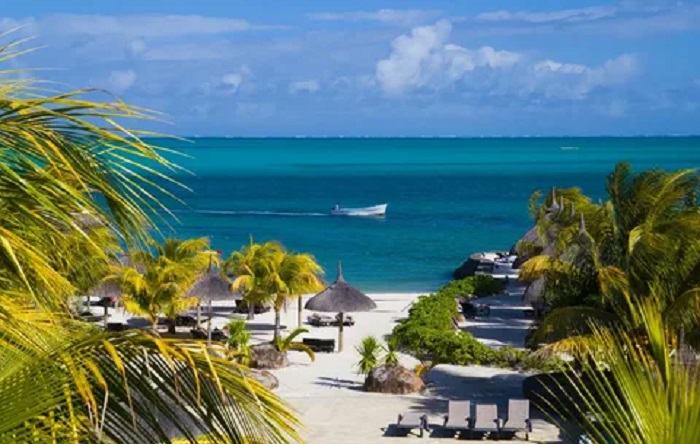
Mauritius is an island in the Indian Ocean often chosen for its blend of beach relaxation and rich experiences—ranging from turquoise lagoons to mountain panoramas and tropical gardens. It is easy to find a vacation style that suits any pace, whether it’s a quiet romantic getaway, a family holiday, or an active trip filled with excursions and water sports.
What makes Mauritius special is that it looks picture-perfect yet feels truly alive: a multicultural society, diverse cuisines, markets, small temples, and colonial architecture coexist seamlessly with modern resorts. The island offers far more than the standard “beach-and-hotel” routine, allowing you Book Now to craft an itinerary based on nature, flavors, and events.
Key factors to consider
Different parts of the island offer distinct experiences: some areas feature calmer lagoons and more family-friendly hotels; others have stronger winds ideal for kitesurfing; while some are closer to sightseeing spots and the urban buzz. When planning, it helps to decide on your priorities in advance—whether you want total tranquility, easy access to entertainment, proximity to attractions, or a balance of everything.
Weather, wind, and activity planning
Weather in Mauritius can vary by region on any given day, so a flexible plan works best: beach time in the morning, walks and viewpoints during the day, and scheduling boat trips based on ocean conditions. For active pursuits, it is useful to check wind seasons and underwater visibility to get the most out of diving, snorkeling, or water sports.
A practical approach is to plan a mix of beach days and island excursions in advance so you don’t miss out on the island’s natural beauty and cultural richness.
If your goal is to arrange a hassle-free, all-inclusive vacation, it is best to look at package deals and early booking options.
- Best for: couples, families, lovers of beautiful beaches and attentive service, and those who want to combine relaxation with sightseeing.
- Souvenirs to bring home: spices, tea, locally produced rum, handicrafts, and aromatic tropical sweets.
- How to enrich your trip: add 2–3 excursions into the island’s interior, a boat trip, and at least one unplanned day for exploring markets and making small discoveries.
The beauty of Mauritius lies in its ability to offer a stylish, tranquil getaway that can easily transform into a journey filled with diverse itineraries, flavors, and natural wonders. It is a place where resort comforts blend seamlessly with the island’s unique character, ensuring vivid memories long after even the most laid-back vacation.
When to go: choosing the season based on wind, humidity, and ocean currents
When planning a trip to Mauritius, it is best to consider the combination of wind, humidity, and ocean conditions rather than just temperature. These factors determine the comfort level for beach lounging, swimming, snorkeling, diving, and water sports.
The island lies within the zone of the southeast trade winds; these tend to strengthen during the “winter” months, while humidity rises noticeably during the “summer” months. Ocean currents and wave patterns shape the character of the coastlines: one side may be calmer and have clearer water, while the other is windier with more active surf.
Choosing the right season for your type of vacation
- For maximum beach comfort (lower humidity, heat is more bearable): the local “winter” months are often best, as the air is drier and evenings are cooler. The downside is that the wind can feel stronger in exposed areas, especially in the east and south.
- For “bath-like” swimming and warm water: the local “summer” is usually preferred, as the ocean warms up significantly. The downside is higher humidity and more frequent, brief downpours.
- For kitesurfing and windsurfing: look for the period with steady trade winds, when the wind is consistent and predictable. Also, choose spots with safe lagoons and easy entry points.
- For snorkeling and diving: prioritize days with light winds and minimal suspended particles in the water. Visibility is often better in the lagoons behind the reef, though it can drop after windy days or rough seas.
- For surfing and wave-based activities: look for the season when significant swells reach the specific coasts you are targeting; keep in mind that conditions can vary drastically from one coast to another.
- First, determine your priority: “dry comfort” vs. “warmest water,” or “wind for sports” vs. “calm conditions for clarity.”
- Then, choose your coast: the west and north are often better suited for those who prefer less wind; …east and south—for those planning wind-based activities.
- Check conditions for specific dates: even during the “right” season, there can be several consecutive days of wind or rain.
The bottom line: there is no single “best” time for everyone—Mauritius’s strength lies in the ability to choose a season that suits your specific goals. If dry air and comfort on land are the priority, people tend to choose the drier period; if the priority is the warmest possible water and a tropical atmosphere, the wetter period is often preferred; and for water sports, the key factor becomes the steadiness of the wind and the right shore.