
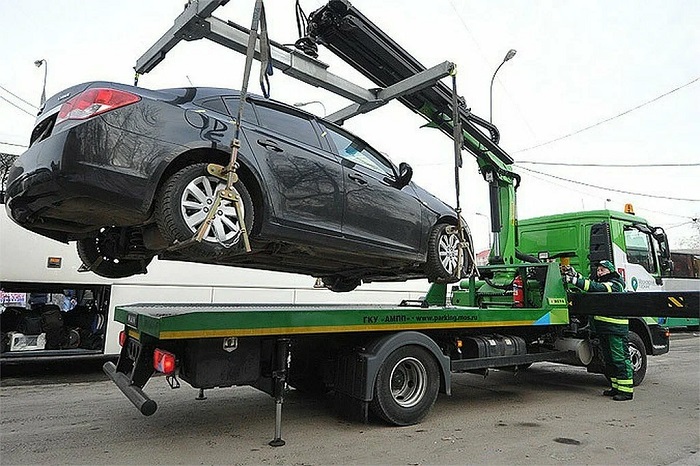
Vehicle towing is an important process regulated by legislation and regulations to ensure road safety and the safety of vehicles. It’s important to understand the requirements for towing to avoid fines and unpleasant situations on the road. For more detailed information on the processes and regulations, please refer to the sections on https://mtstowing.ca/towing-service-cambridge/ that contain more information about towing.
Key Standards for Safe Vehicle Transportation in Emergency Situations
Compliance with established requirements ensures vehicle stability during transport, preventing accidental movement or damage. Compliance with these standards also facilitates a quick and effective response in time-sensitive and hazardous situations, ultimately preserving human life and health.
Technical Standards for Vehicles and Equipment
Tow vehicles must meet requirements for load capacity, stability, and the availability of securing elements. All transport platforms and lowboys are required to be certified and undergo regular inspections to ensure their proper functioning. To secure the vehicle, use special belts, chains, and fasteners that are resistant to emergency conditions.
Furthermore, vehicles must be prepared for transportation: avoid transporting liquids containing hazardous substances, and remove any components from the vehicle that could be damaged or cause an accident, such as glass or objects protruding beyond the body.
- Ensuring secure fastening: All fastening devices must be checked before transportation.
- Route planning: Consider the specifics of the cargo transportation and possible road restrictions.
- Personnel training: Towing personnel must be familiar with regulations and procedures to minimize risks.
Rules for placing a vehicle on a tow truck and securing it
When placing a vehicle on a tow truck, it is important to follow certain rules to ensure safe transportation. Before transporting, ensure the vehicle is level and stable on the tow truck platform. This is typically achieved using specialized tie-downs and securing straps to prevent the vehicle from shifting during transport.
Proper vehicle placement involves securing the vehicle around its entire perimeter, avoiding hazardous areas and damage. Before loading, it is recommended to remove all objects that could damage the body or shift during transport, and to ensure there are no fluid leaks. Keys and documents should also be easily accessible if they are needed during loading or unloading.
Recommended Securing Methods
To securely secure the vehicle, use strong straps and chains secured to designated points on the body, frame, or vehicle signatures. Secure the tie-downs before driving to prevent them from loosening or breaking.
Particular attention should be paid to securing the wheels, especially if the vehicle is likely to roll over or is being transported on uneven surfaces. Wheel ties or containers are commonly used to lock the wheels. It is also acceptable to use pads or logs to prevent the vehicle from swinging or shifting.
Safe Securing Tips
- Before securing, ensure all straps are tightened as tightly as possible without damaging the vehicle body.
- Check the condition of the fasteners and replace any damaged straps or chains if necessary.
- Use additional fasteners in areas subject to vibration and dynamic loads.
- Before driving, check all fasteners and ensure they are secure.
Preparing Your Vehicle Before Calling a Tow Truck: Practical Tips for Drivers
Before calling a tow truck, it’s important to take a few simple but important steps that can speed up the recovery process and reduce the likelihood of additional problems. Good preparation will help make the situation as safe and efficient as possible for everyone involved.
Following these recommendations will help minimize the risk of damage and ensure proper paperwork, which will speed up the towing process and help avoid unnecessary costs.
Practical Tips for Preparing Your Vehicle for Towing
- Make the towing site safe: ensure the vehicle is in a safe area away from traffic and turn on the hazard warning lights.
- Clear access: clear the area around the vehicle so that service personnel can quickly and safely secure the vehicle.
- Prepare documentation: Prepare your registration document, insurance, and any personal documents that may be required when calling a towing service.
- Record the vehicle’s condition: Take photos from different angles to document its current condition in case of any claims.
- Remove personal belongings: Remove valuables and personal items from the interior and trunk to prevent loss or theft.
Properly preparing your vehicle before calling a towing service significantly improves the efficiency of the process and reduces potential risks. Follow these simple tips, and the towing will be quicker and safer, avoiding unnecessary expenses and complications.