
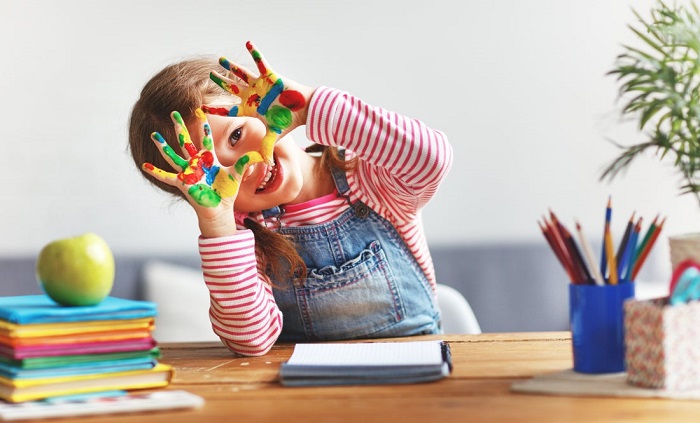
Creative learning plays a powerful role in shaping how children think, learn, and remember. Unlike traditional rote learning, creative learning engages imagination, emotion, and problem-solving—all of which significantly enhance memory development. When children learn creatively, they don’t just memorize facts; they form meaningful connections that help information stick.
This article explores how creative learning builds better memory in kids, why it is effective, and practical ways parents and educators can encourage it.
What Is Creative Learning?
Creative learning is an approach that encourages children to explore ideas through imagination, experimentation, and self-expression. It includes activities such as storytelling, art, music, drama, hands-on projects, and open-ended play.
Rather than focusing on right or wrong answers, creative learning emphasizes:
- Exploration and curiosity
- Original thinking
- Emotional engagement
- Active participation
These elements are essential for strong memory formation.
The Connection Between Creativity and Memory
Memory improves when learning is engaging and meaningful. Creative learning naturally activates multiple areas of the brain at once—visual, auditory, emotional, and motor systems—making it easier for children to store and retrieve information.
When kids are emotionally involved and mentally stimulated, their brains are more likely to form long-lasting memories.
How Creative Learning Improves Memory in Children
1. Engages Multiple Senses
Creative activities often involve seeing, hearing, touching, and moving. For example, painting while listening to music or acting out a story helps children link information across sensory experiences, strengthening memory retention.
2. Encourages Emotional Connection
Emotion plays a key role in memory. Creative learning allows children to express feelings, tell personal stories, and explore ideas they care about, making memories more meaningful and easier to recall.
3. Promotes Active Participation
Kids learn better when they are actively involved rather than passively listening. Creative learning encourages children to experiment, create, and problem-solve, reinforcing memory through hands-on experience.
4. Strengthens Problem-Solving Skills
When children think creatively, they analyze, adapt, and apply information in new ways. This deeper level of thinking improves working memory and long-term retention.
5. Supports Language and Cognitive Development
Storytelling, role-playing, and creative discussion help children organize thoughts, sequence events, and remember details—all essential for strong memory skills.
Creative Learning Activities That Boost Memory
Art and Craft Projects
Drawing, sculpting, and crafting help children visualize ideas and remember concepts through creative expression.
Music and Movement
Songs, rhythm games, and dance improve memory by combining repetition with fun and physical movement.
Storytelling and Drama
Acting out stories or inventing characters enhances recall, sequencing, and comprehension skills.
Open-Ended Play
Building with blocks, pretend play, and imaginative games allow children to experiment freely, reinforcing memory through exploration.
Long-Term Benefits of Creative Learning for Memory
Children who engage in creative learning often experience:
- Stronger recall and comprehension
- Improved academic performance
- Greater confidence and independence
- Enhanced emotional intelligence
- Better adaptability to new learning challenges
These benefits extend beyond childhood and support lifelong learning.
How Parents and Educators Can Encourage Creative Learning
- Provide open-ended materials like art supplies and building tools
- Allow time for unstructured play and exploration
- Ask open-ended questions that inspire thinking
- Celebrate creativity rather than perfection
- Create a supportive, pressure-free learning environment
Simple creative opportunities at home and school can make a significant difference in memory development.
Conclusion
Creative learning builds better memory in kids by engaging their senses, emotions, and imagination. By encouraging exploration, expression, and active participation, creative learning helps children form deeper connections with what they learn—making memories stronger and longer-lasting.
Supporting creativity in early learning is not just about nurturing talent; it’s about strengthening the brain and giving children the tools they need to remember, understand, and thrive.